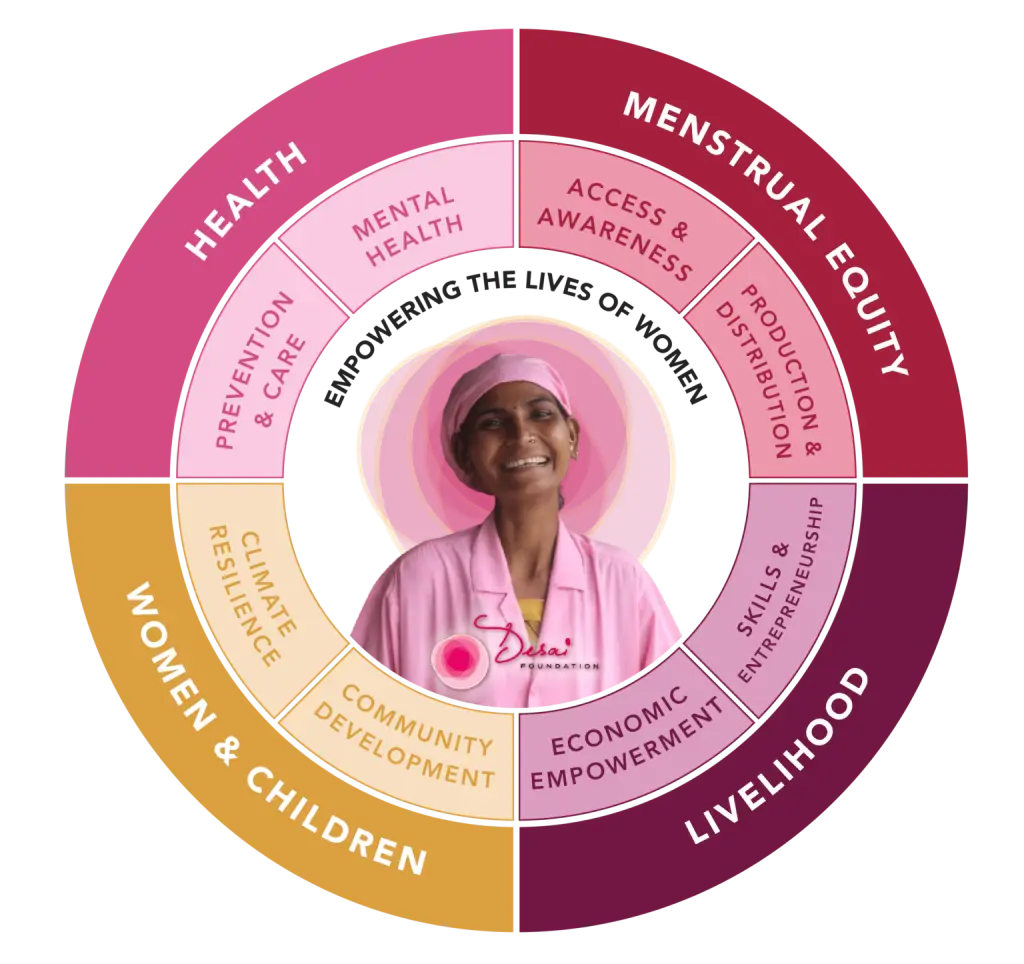
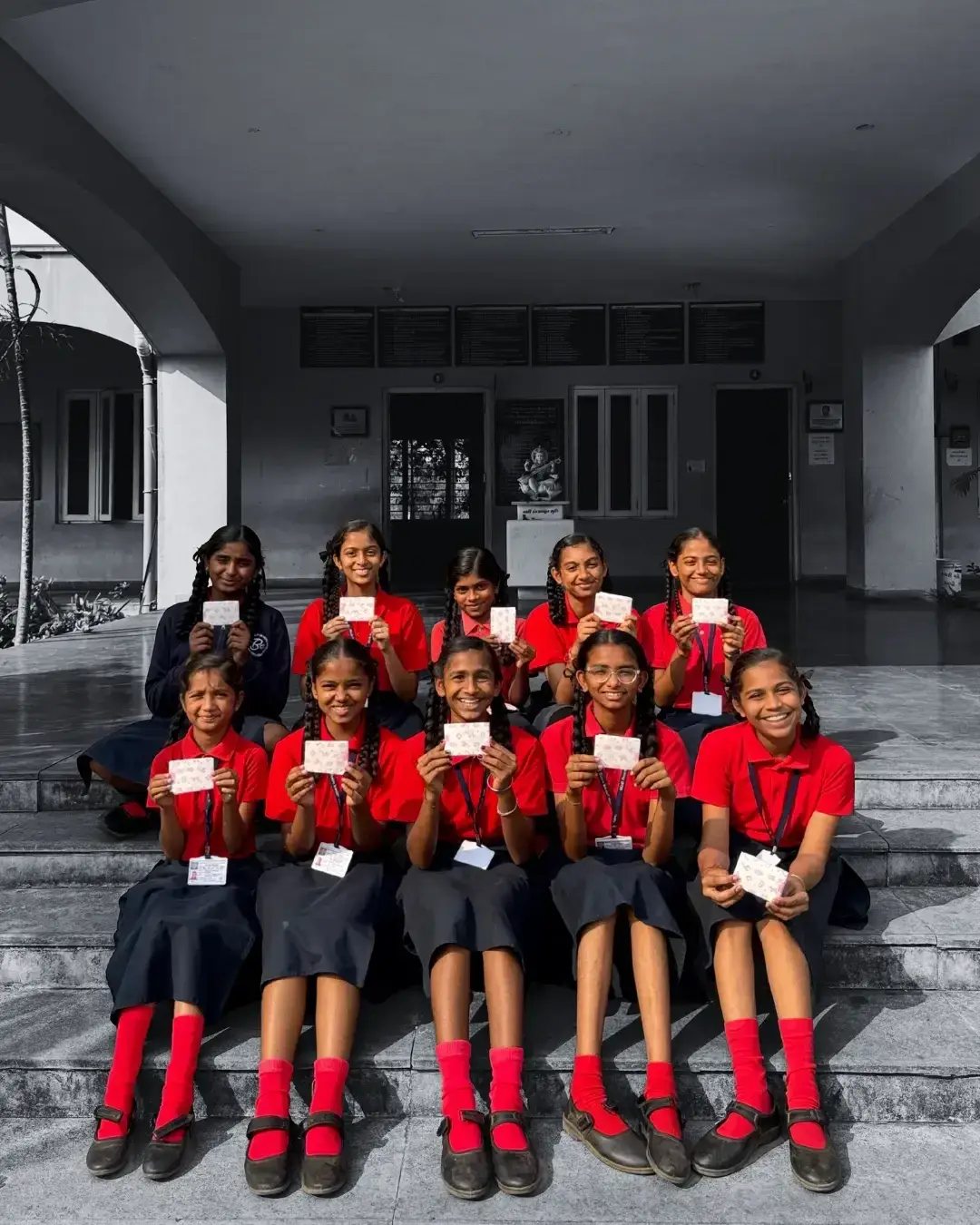
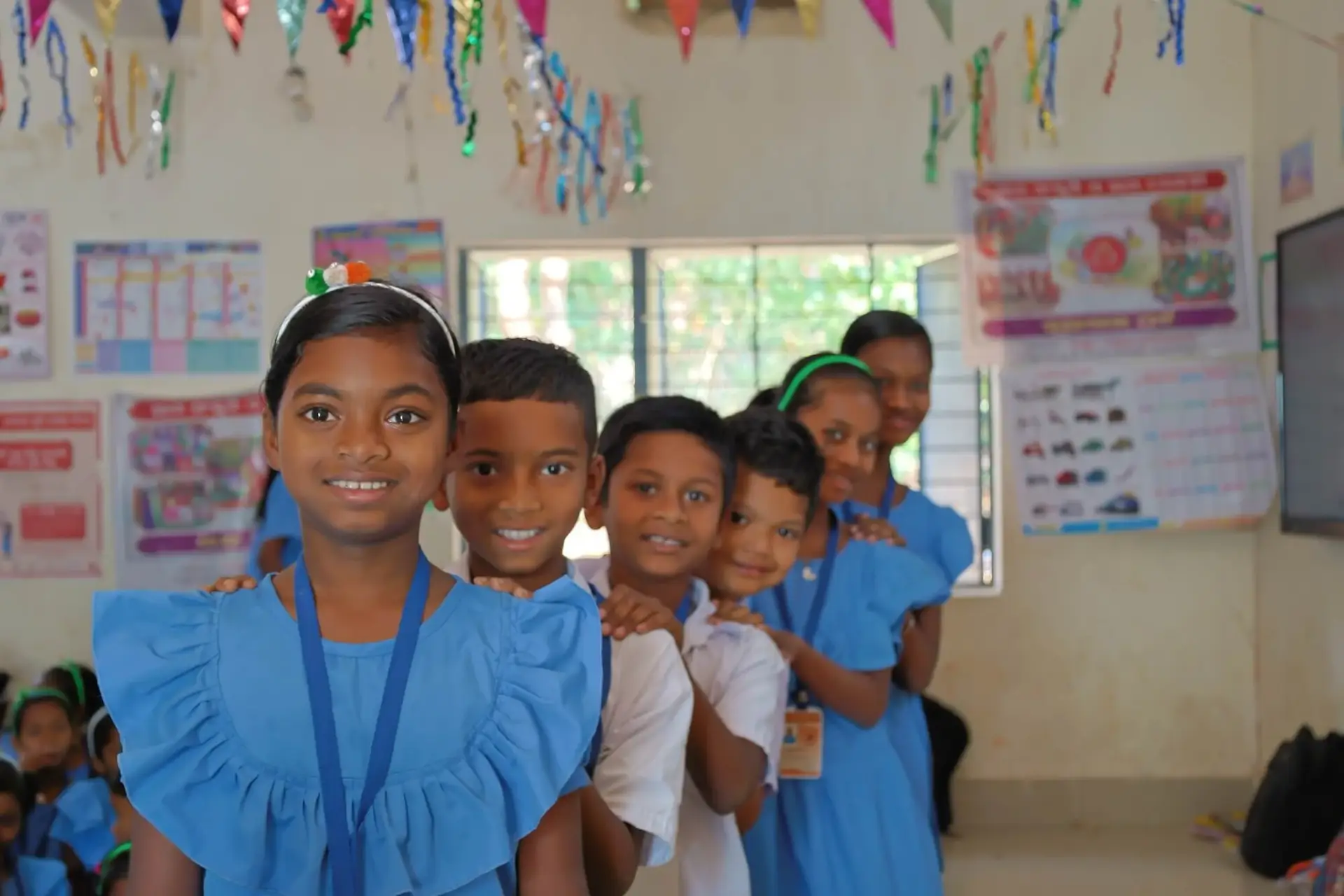
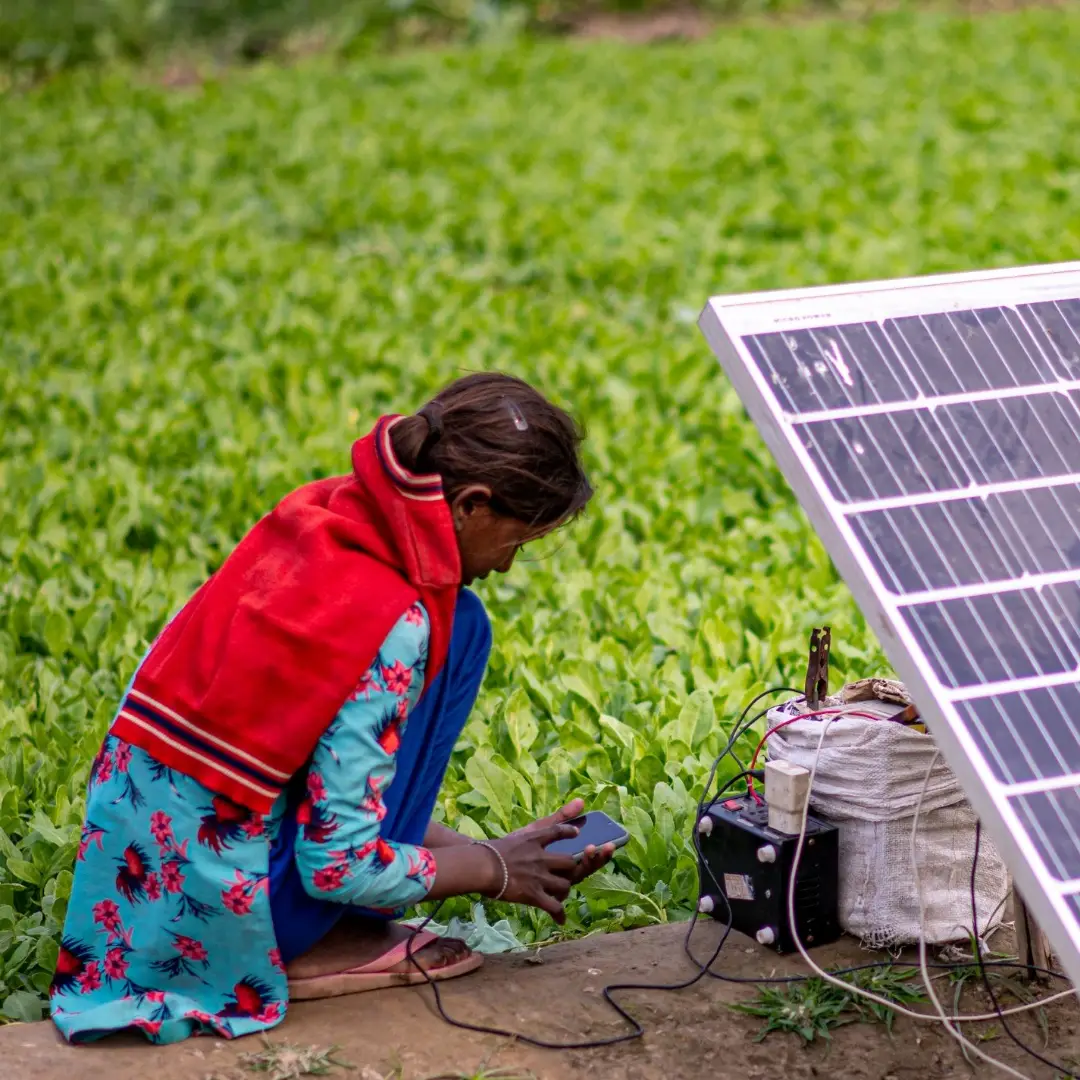
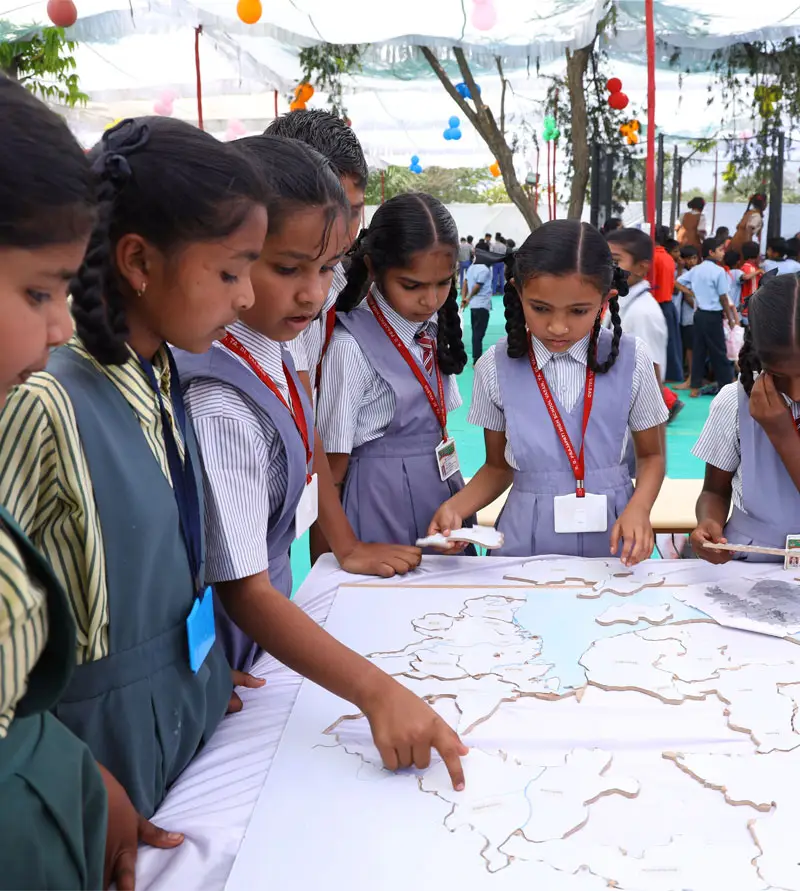
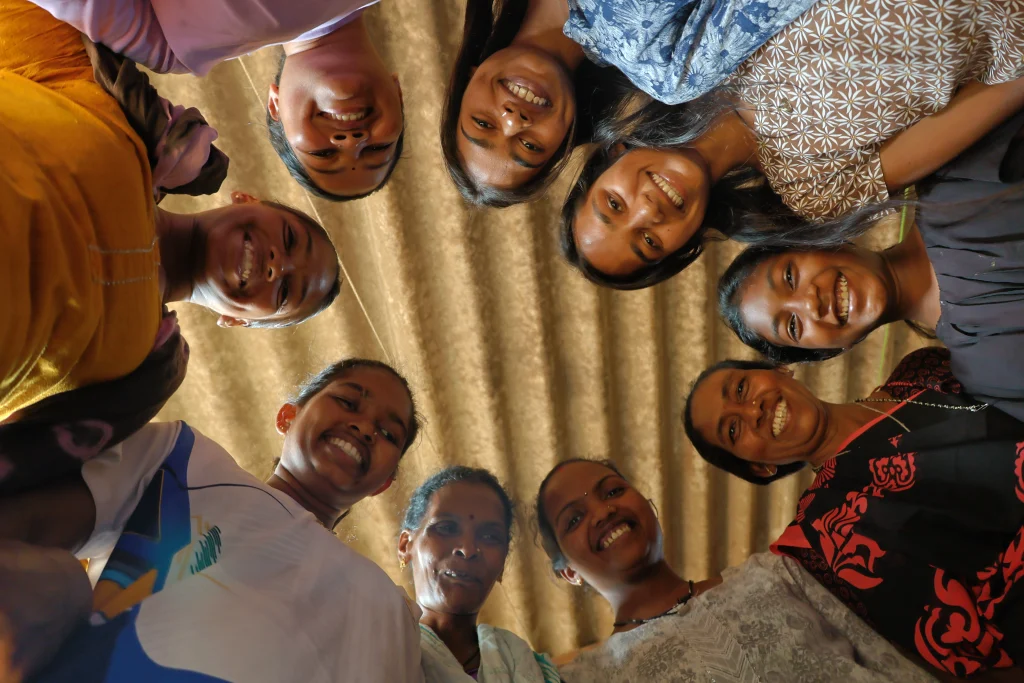
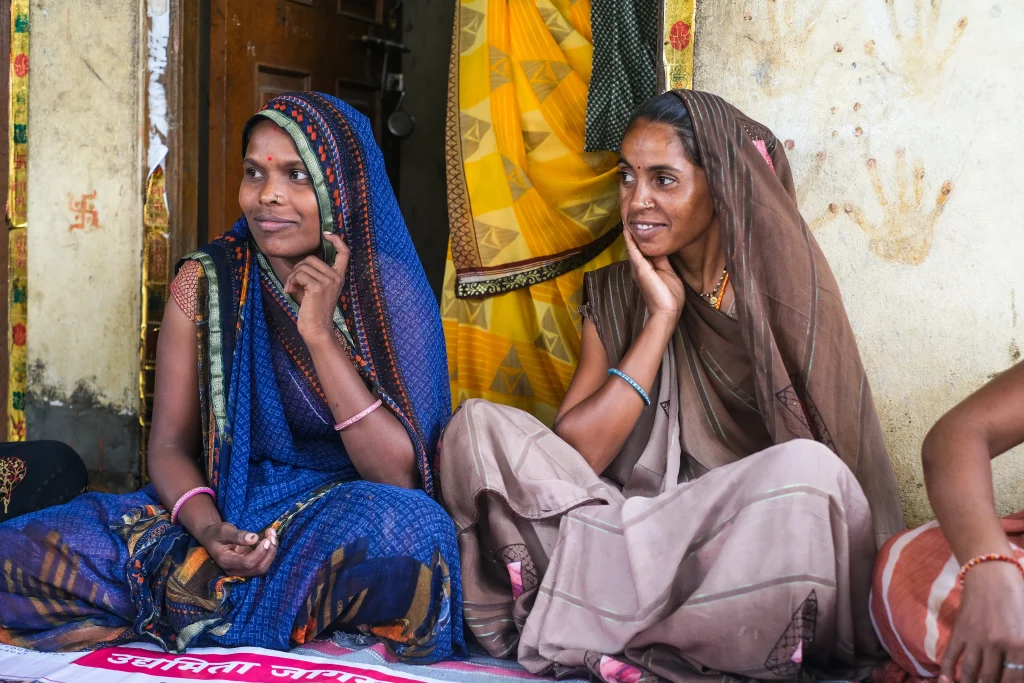
In rural India, millions of women and girls continue to face systemic economic and health barriers that strip away dignity, opportunity, and hope. The Desai Foundation is a nonprofit organization committed to breaking this cycle at scale by empowering women and children through community programs and initiatives. Our mission is to empower women and children through community programs to elevate health, livelihood, and menstrual equity in rural India. Our theory of change is grounded in transformational systems change by co-creating opportunities for growth and holistic development without leaving any woman or child behind.
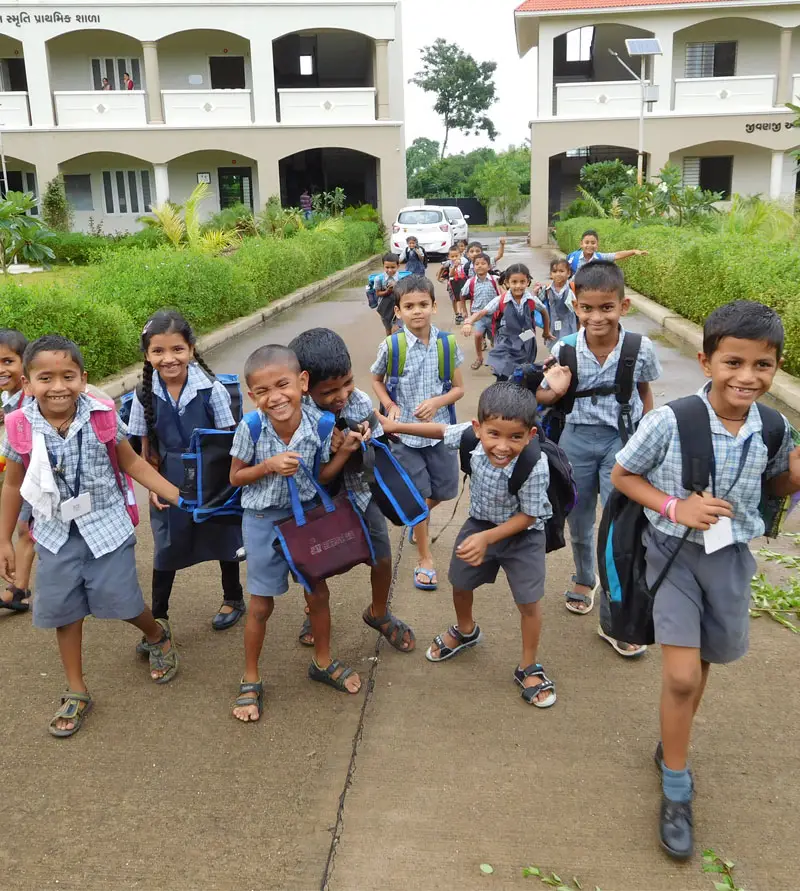
Across eight(8) states in India, we work collaboratively with local women and grassroots organizations to deliver programs in health, livelihood, and education. From advancing menstrual equity and access to care, to providing vocational training and entrepreneurship opportunities, we focus on building the foundations of resilience and self-reliance. For children, we provide educational support, mentorship, and health resources, ensuring every child has the building blocks to succeed and thrive.
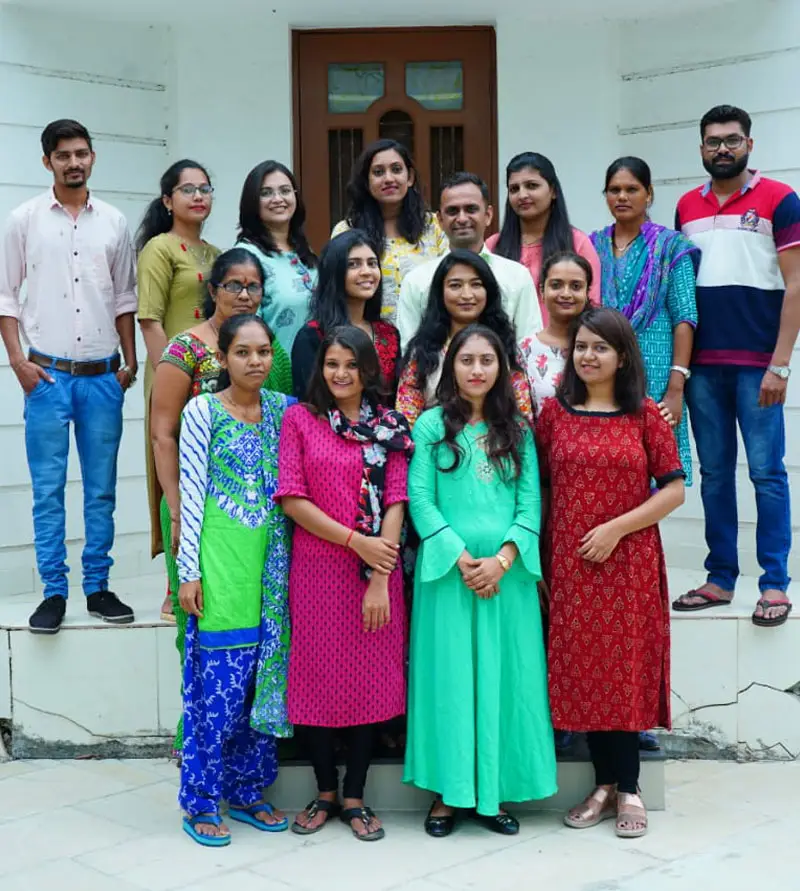
We are driven by a sense of purpose and guided by our core values deeply rooted in compassion, integrity, and collaboration. Our dedicated team works tirelessly to create a real, tangible impact in the communities we serve.
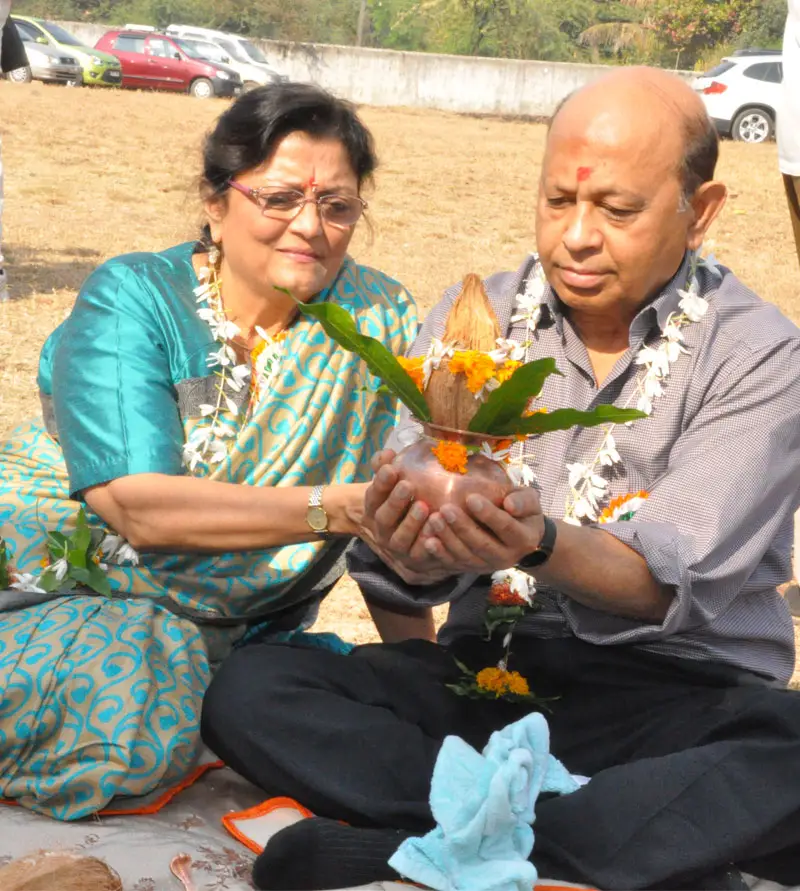
In 1997, the Desai Foundation’s story began – ignited by the vision of Samir A. Desai and Nilima Desai. Their mission was simple yet profound: to give back to the communities that had shaped them.
Desai, a tech entrepreneur, focused their efforts in two geographic areas – the place that was home, and the place that is now home. Their efforts focused on the Metro Boston & Harlem, NY areas, as well as the rural communities of Gujarat.
In its first decade, the Desai Foundation built strong partnerships with its partners on the ground and began to build innovative, impactful, and sustainable programming.
After they tested their programs, they converted to a public non-profit to scale and expand their work. In 2014, it became a public, programmatic organization implementing 15 programs in Gujarat.
Today, the Desai Foundation operates in 8 States across India, implementing over 30 programs, impacting millions of lives.
We believe that the best solutions for impact come from within the community itself. It’s why our work focuses on cultivating the dignity of the people we serve by strengthening its leadership and building sustainable programming so that everyone can dream beyond their circumstances.
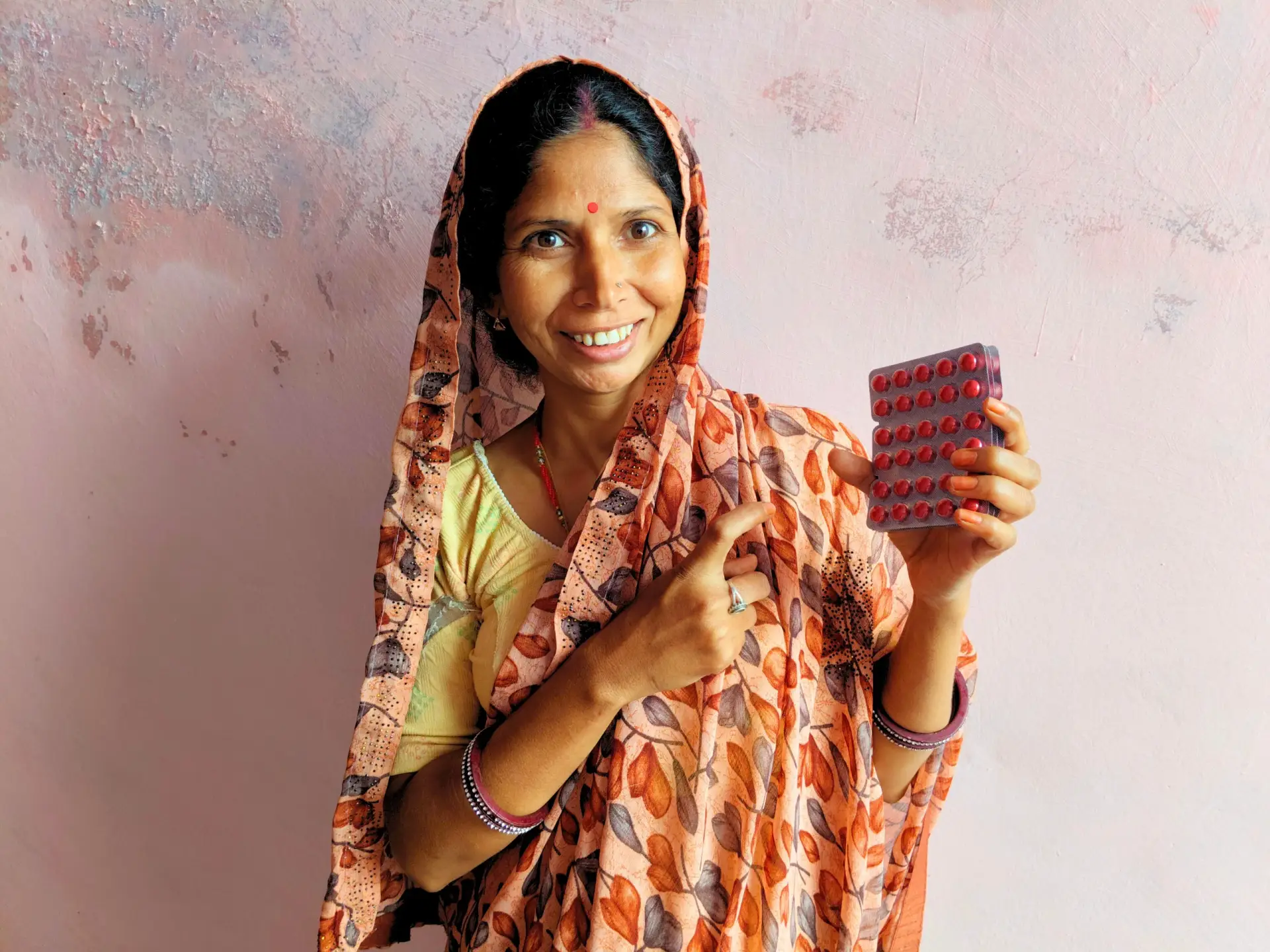
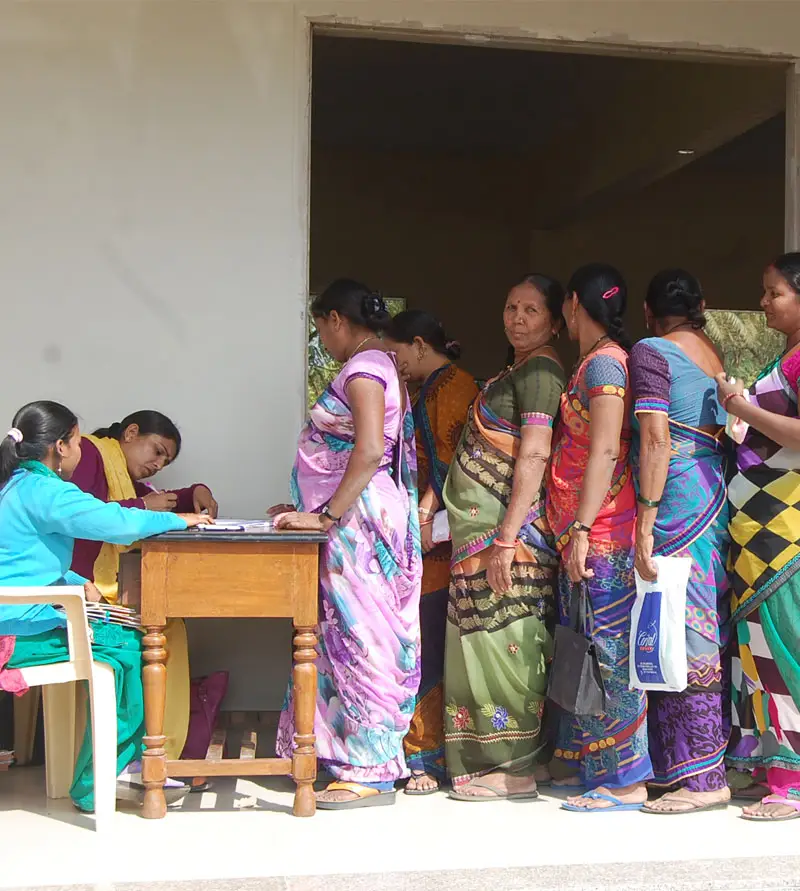
Kusum, a 32-year-old woman from Chainpura village in Niwai block of Tonk district, had been experiencing constant fatigue, weakness, and cramps, making even routine household work exhausting. During a health screening in March 2025, her haemoglobin level was found to be 6.5 gm/dl, indicating severe anaemia.
Community Facilitator Kanta, provided Kusum with iron–folic acid (IFA) supplements, counselled her on improving her diet, and supported her in seeking medical care at the Niwai Community Health Centre. With regular follow-ups and guidance, Kusum remained consistent with her treatment.
By the second screening, her haemoglobin level had increased to 10.5 gm/dl, and she reported feeling healthier and more energetic. Her husband, Vidyacharan (34 years), who was also found anaemic with an Hb level of 8.5 gm/dl, showed improvement as well, with his levels rising to 11.4 gm/dl. Kusum’s story reflects how timely screening, community support, and sustained follow-up can lead to meaningful improvements in health and well-being.
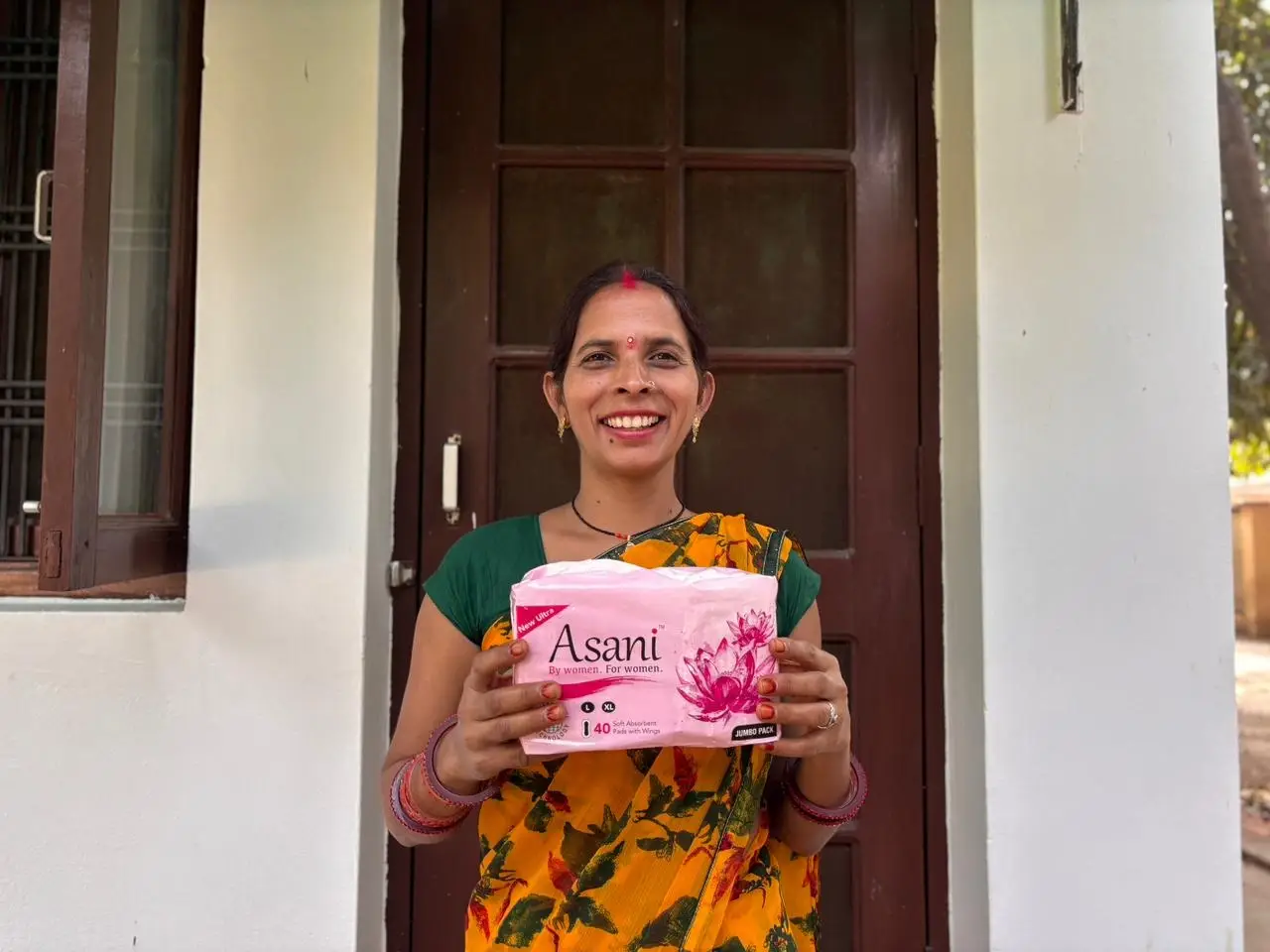
Mamta, a 32-year-old working woman, had been using cloth during her periods for many years. This often caused her itching and rashes, making those days very uncomfortable for her.
One day, Mamta attended a Menstrual Hygiene Management (MHM) session organised by Desai Foundation Trust in her village. There she learned about Asani sanitary pads and their qualities. She got a sample packet to try. After using them, she felt soft, comfortable, and free from the problems she faced earlier.
After this good experience, Mamta started buying Asani pads every month from her sangini Maalti. Now, she feels healthier, more confident, and can manage her periods with comfort and dignity.
Richa lives in a small village near Lucknow, where periods are rarely spoken about. Growing up, she had limited access to sanitary pads and little knowledge about menstrual health, which made her feel shy and unsure, like many women in her community.
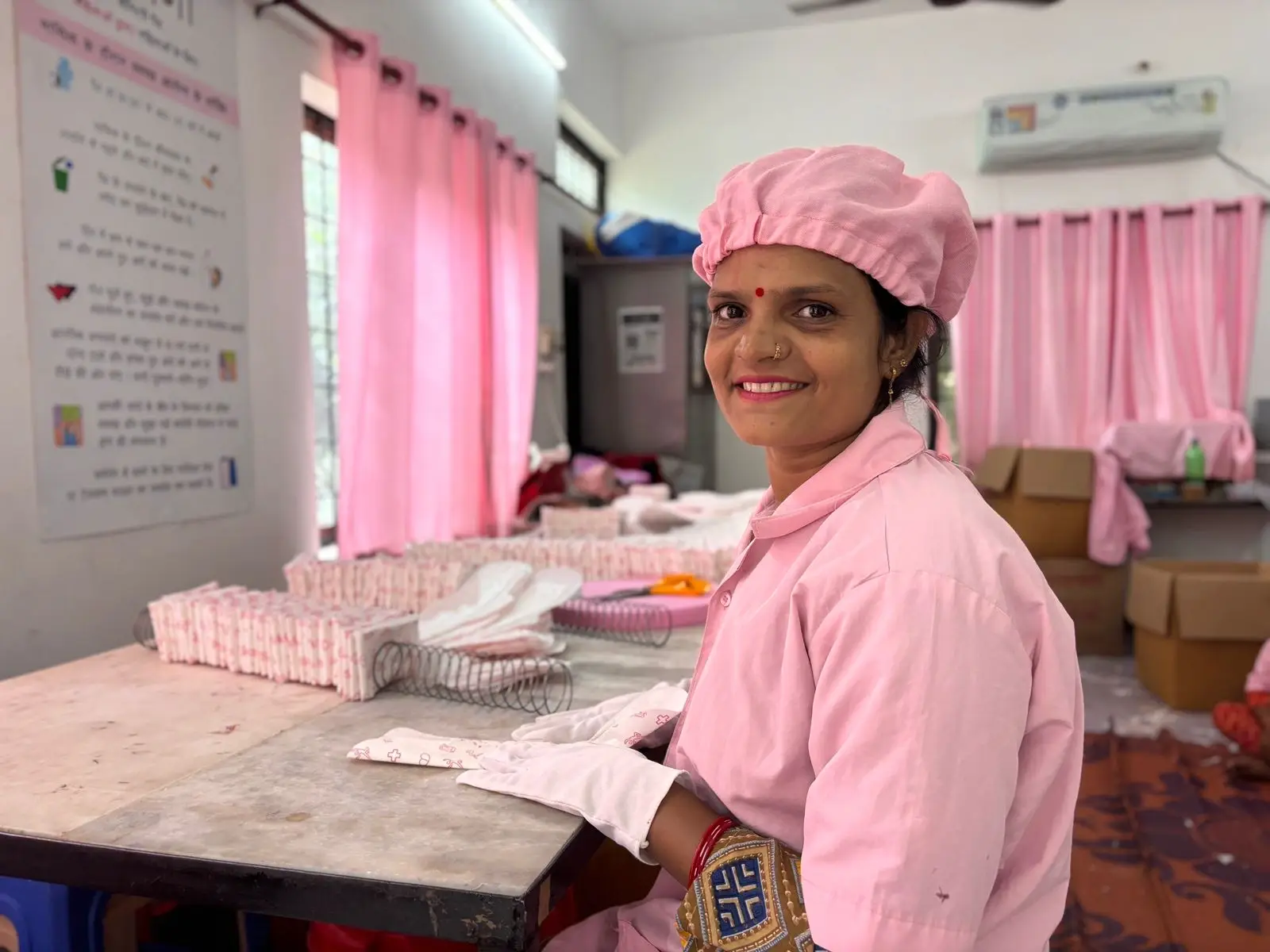
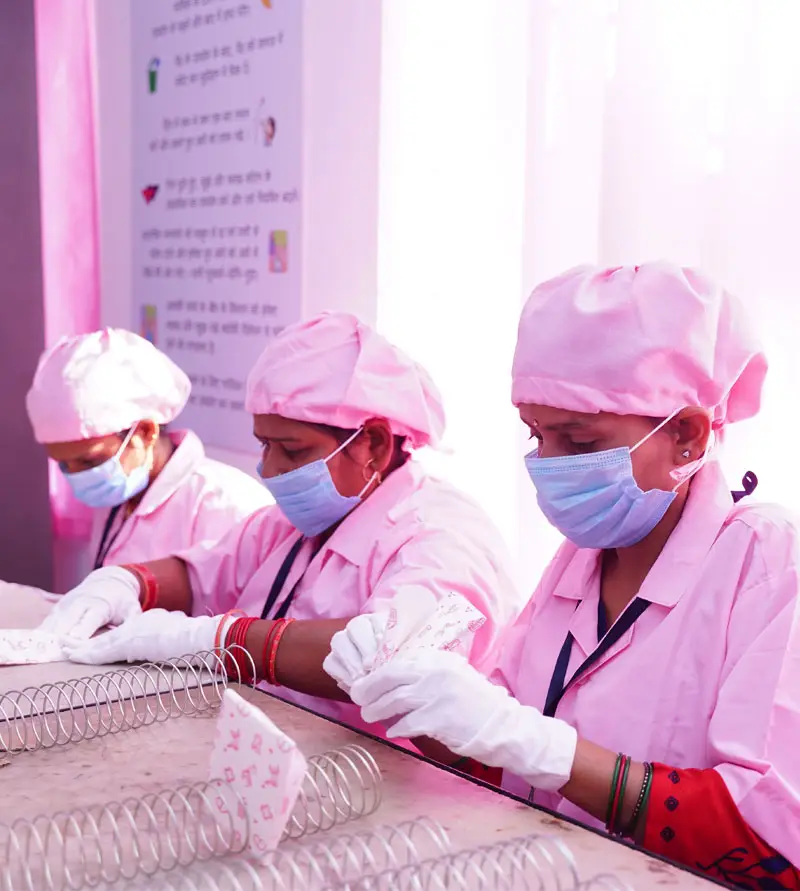
Two years ago, the Asani Sanitary Napkin Production Unit was set up in her village. Though nervous at first, Richa decided to join. She learned to make sanitary pads, operate machines, and follow hygiene practices, and with every step, her confidence grew.
Today, Richa earns her own income and openly talks to girls and women about menstruation, helping break long-standing taboos. She also trains new women at the unit, which has produced thousands of pads for nearby villages.
Richa’s journey shows how one opportunity can transform a life, and create change far beyond one woman.
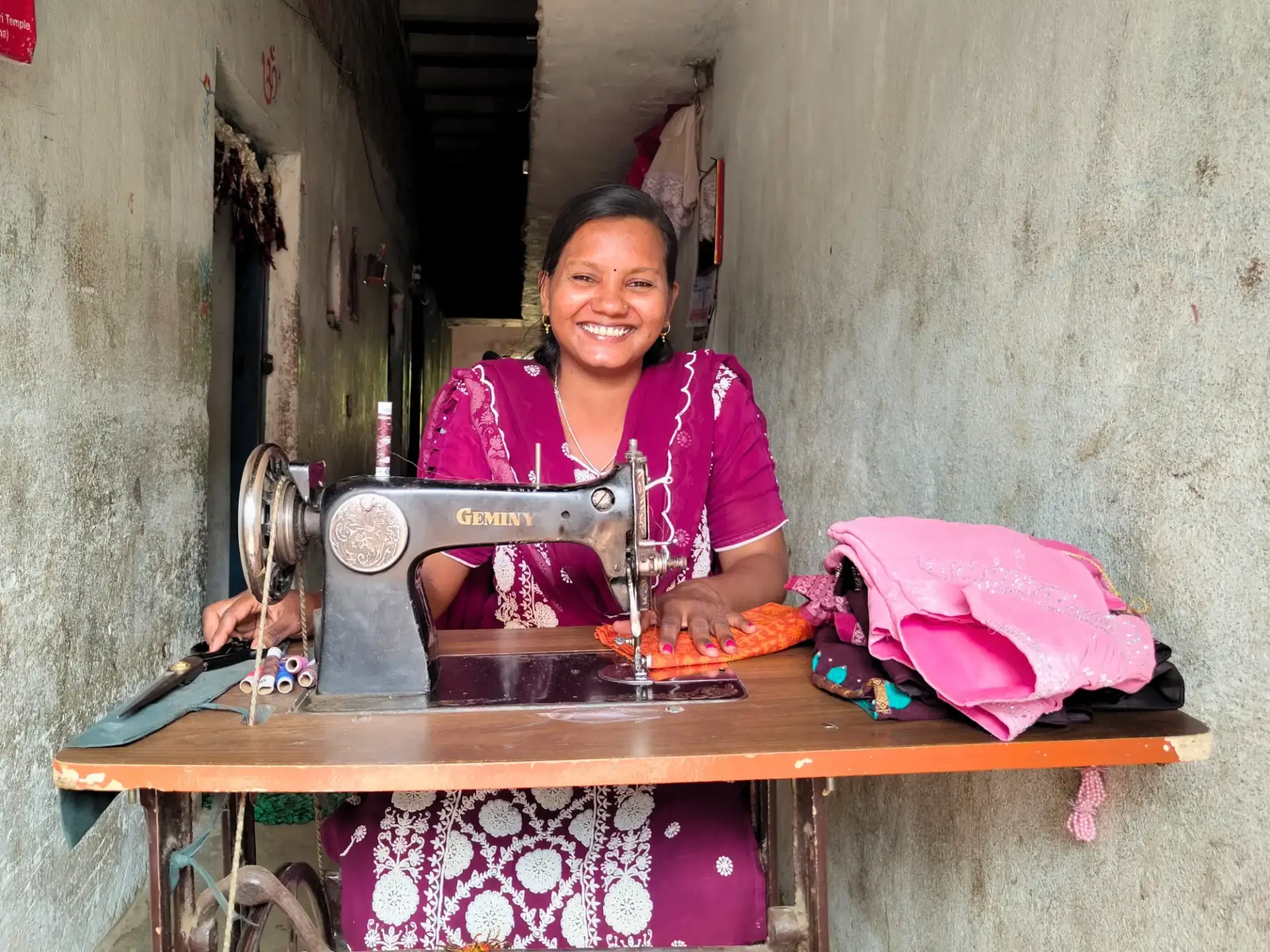
Bhanumati from Mahimunda village in Balangir district transformed her life after completing a three-month sewing training programme organised by Desai Foundation Trust. Earlier engaged only in household work, she had no independent income.
After the training, Bhanumati began taking stitching orders from her community and now earns ₹5,000–₹7,000 per month, contributing to her family’s income. Living with her parents, brother, and sister-in-law, she takes pride in being financially independent.
With growing confidence, Bhanumati dreams of starting her own tailoring shop and inspiring other women in her village to become self-reliant — a true example of how skills can create sustainable change.
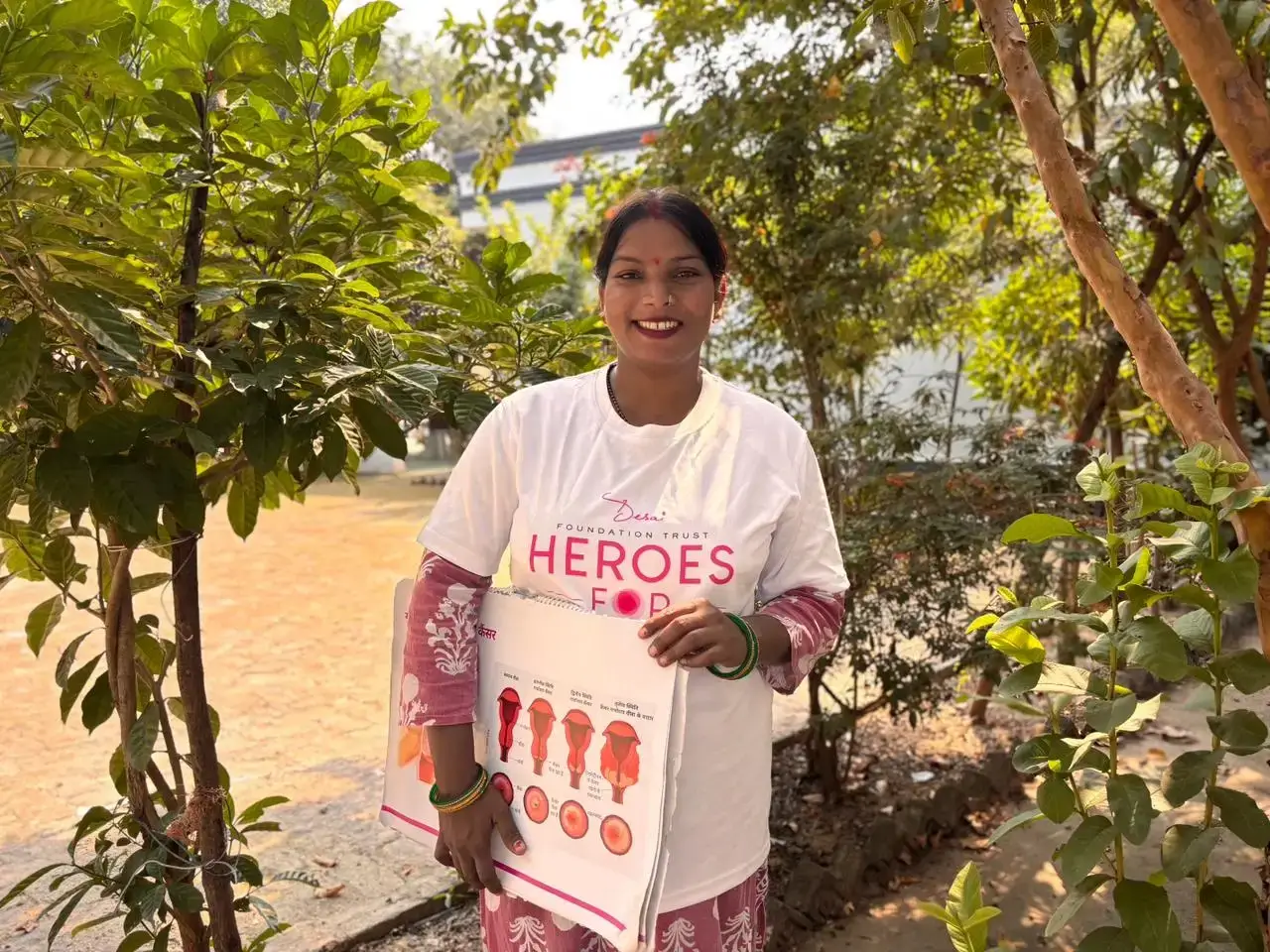
Arti joined Desai Foundation Trust over two years ago as a community facilitator under the Heroes for Humanity (HFH) programme. While supporting others, she silently endured months of pain, believing it was normal and managing it only with painkillers.
Nine months ago, when the Health & Hygiene Awareness of Cancer programme began in Lucknow, Arti started educating women about breast and cervical cancer. Through this work, she found the courage to speak up about her own health. A medical checkup revealed lumps in her cervix that could have developed into cervical cancer.
Arti began treatment immediately and, after months of care, is now healthy. Today, she openly shares her journey, encouraging women to seek timely checkups and talk about their health. Arti is not just a survivor, she is a true hero for her community.
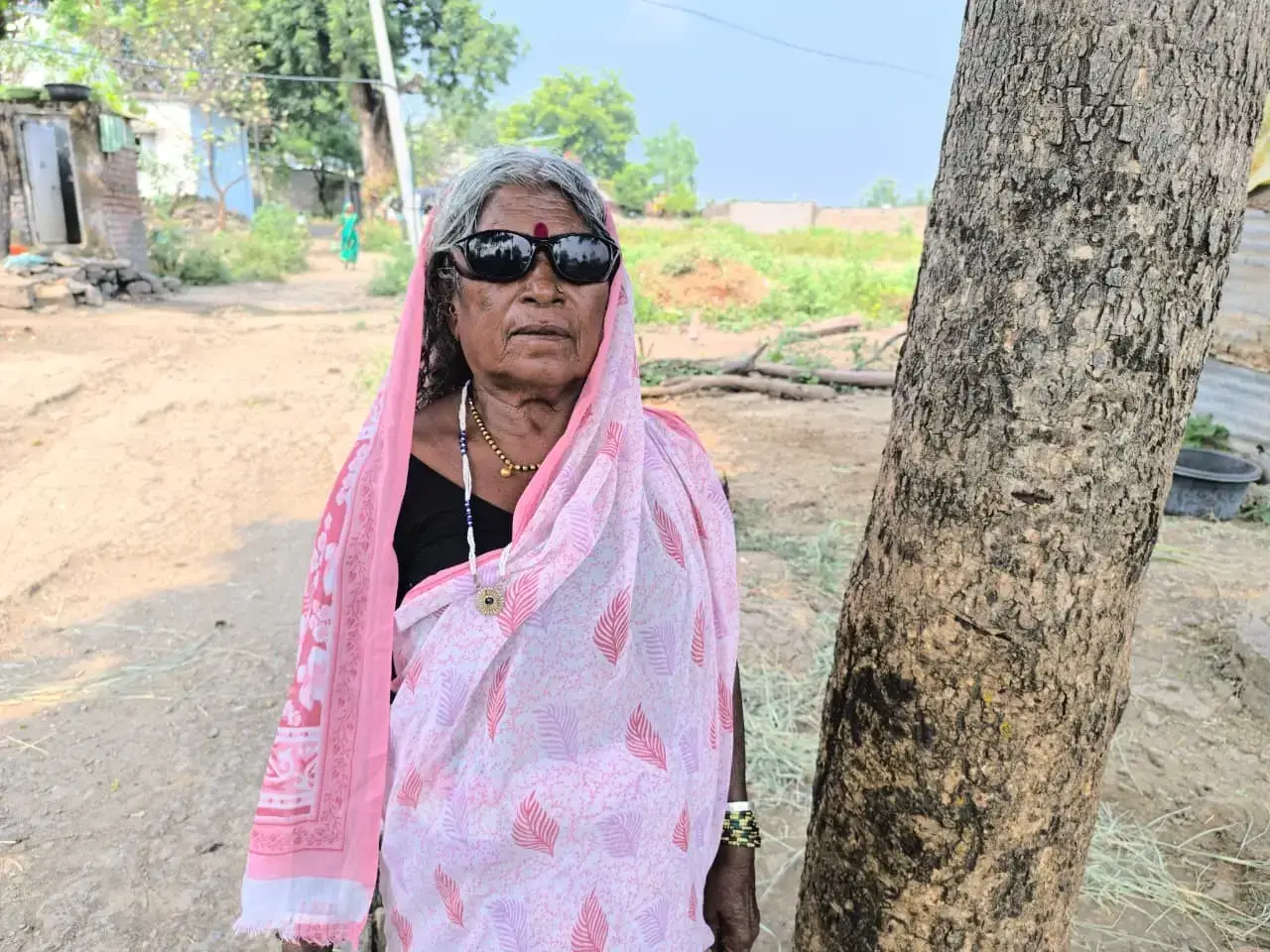
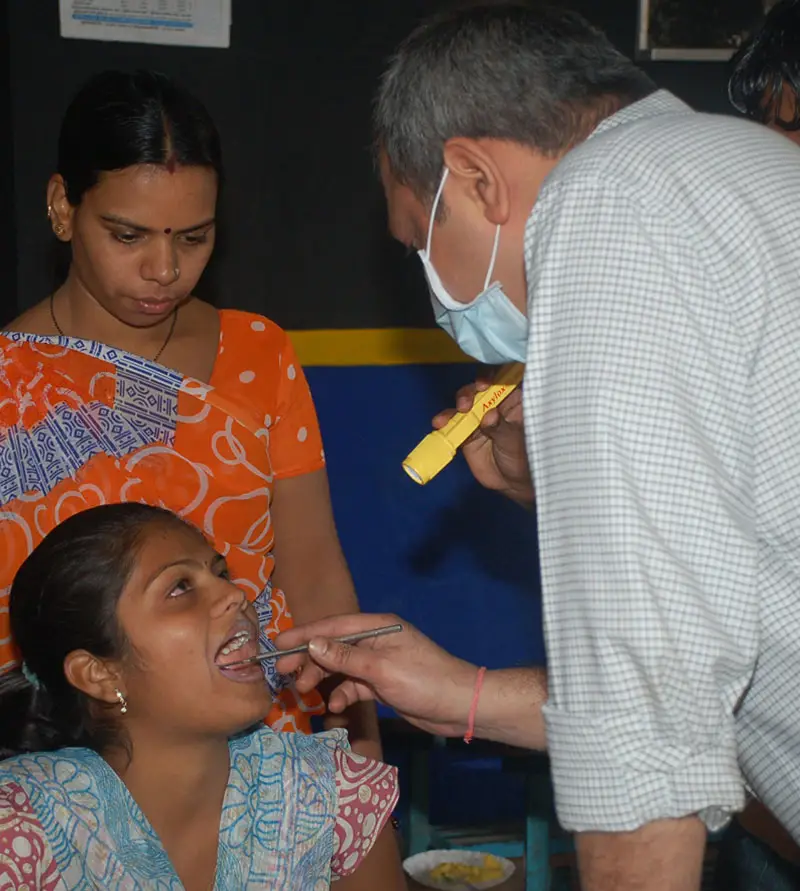
At 66, Lakshmibai from Bhirda village, Hingoli district, struggled with daily tasks as her vision blurred. “I couldn’t see my grandchildren’s faces clearly anymore,” she shared.
On 26th August 2025, she attended an eye check-up camp organized by Desai Foundation Trust. Doctors diagnosed cataracts in both eyes and recommended surgery. Initially anxious, Lakshmibai was reassured by the medical team that the procedure was simple and free.
In early September, she underwent successful surgery. When the bandages were removed, she could see clearly, the green fields, neighbors, and most importantly, the smiles of her grandchildren. “I can finally see their smiles again!” she exclaimed, tears of joy in her eyes.
Lakshmibai’s story is a testament to courage, hope, and how community healthcare can transform lives, restoring not just sight, but independence and confidence.
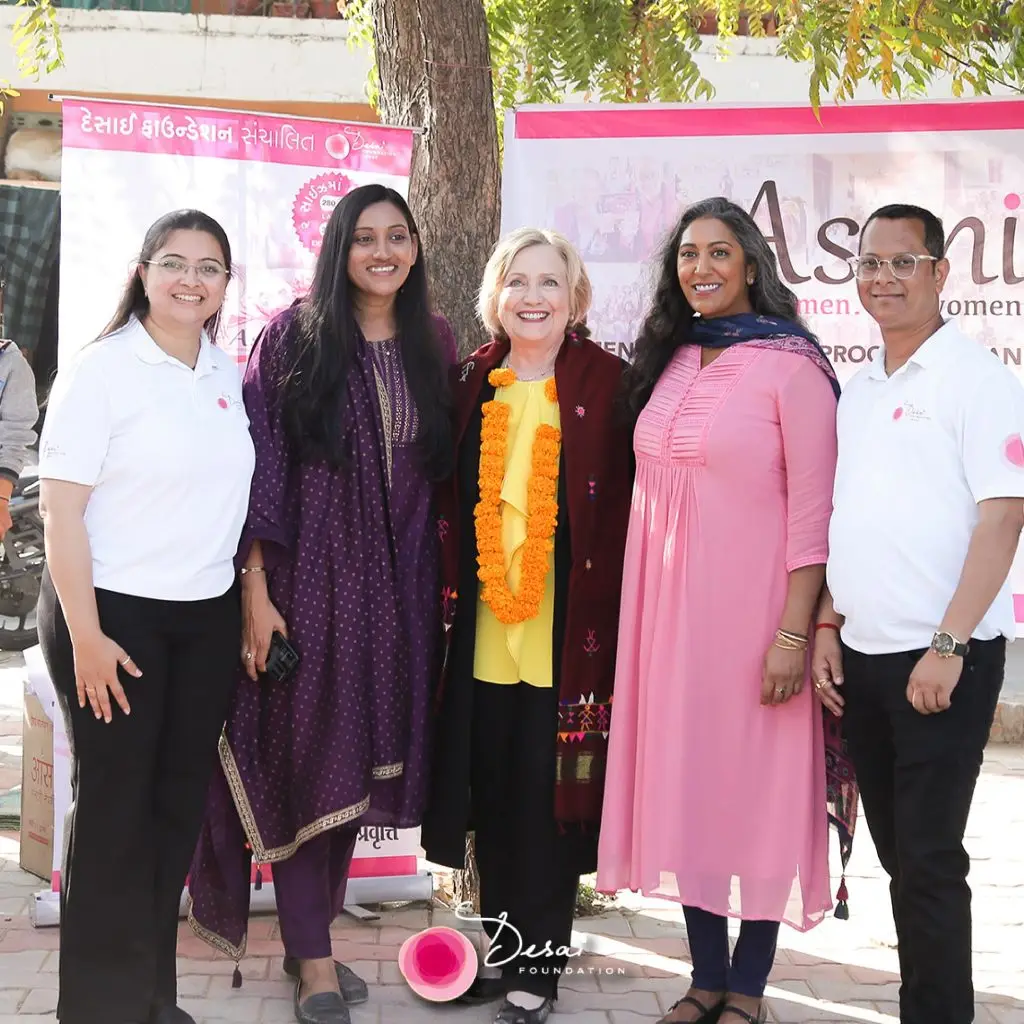
We were beyond honored to have former US Secretary of State, Hillary Clinton, visit the programing of the Desai Foundation! During the visit in Gandhinagar, Secretary Clinton met 40 Heroes from Heroes for Humanity, many of whom shared their stories. We were also thrilled to share our Asani Sanitary Napkin Program with Secretary Clinton, who was able to see a portion of an Asani Awareness Session, and hear the stories of our Asani Sales Ambassadors.
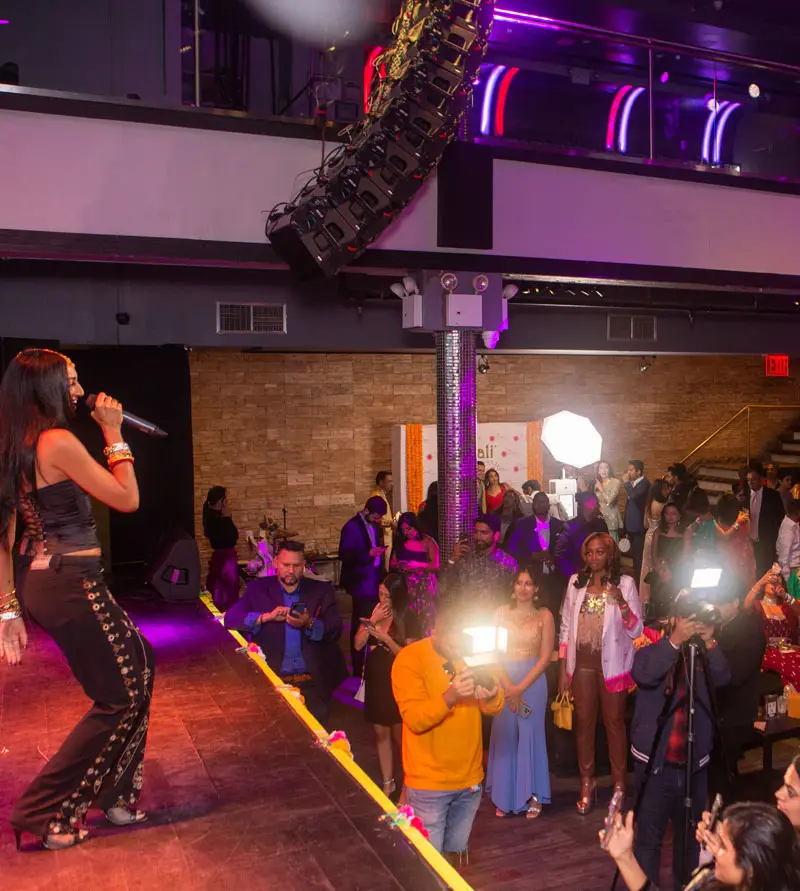
As one of the longest running Diwali parties in NYC, Desai Foundations Diwali on the Hudson is having its tenth anniversary in 2023 – a landmark celebration! Desai Foundation also expanded to Karnataka and achieved impacting nearly 7 million people in the last 9 years.
Desai Foundation brought its programming to Odisha and was proud to reach 25 years of programmatic success, having impacted over 5 million people since going public in 2014 with 31 programs, produced 3.7 million Asani sanitary napkins, served 2,500 communities, and had 4,778 people attend various Desai Foundation fundraisers. Here’s to 25 more!
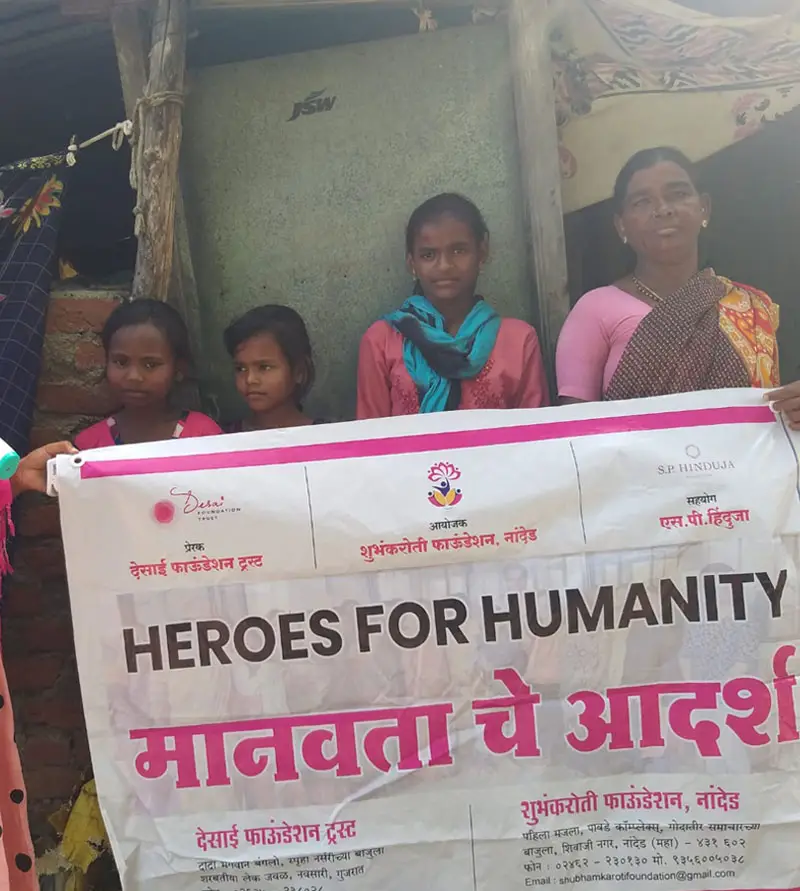
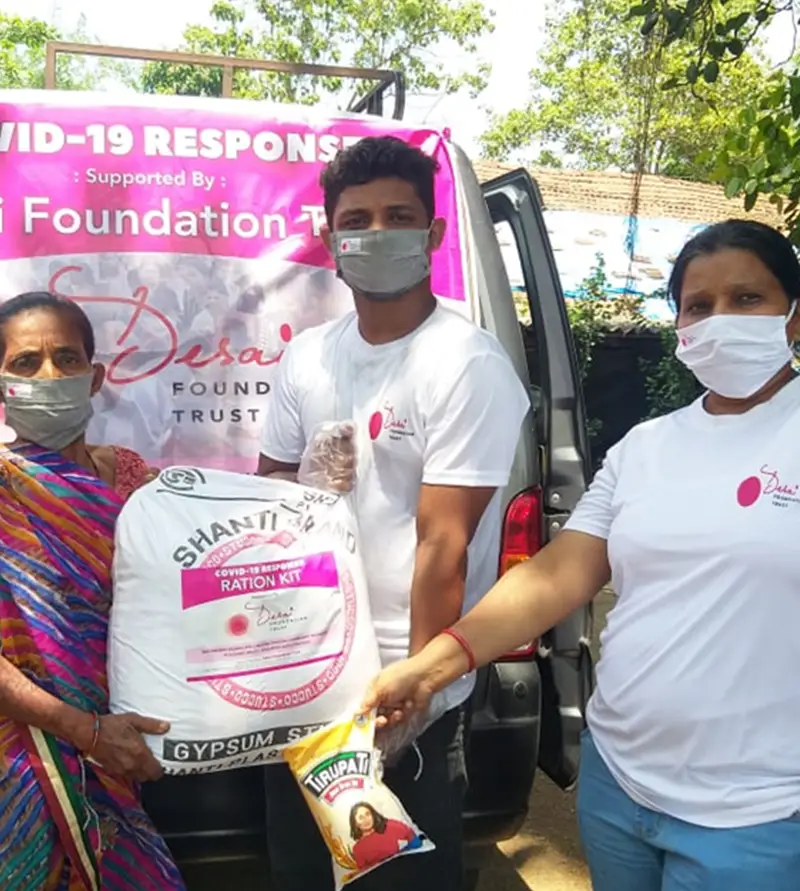
n the midst of the COVID-19 Pandemic, Desai Foundation pivoted to address the devastating effects it was having in India by developing the Heroes for Humanity (HFH) Program with support from S.P. Hinduja Banque Privee. In its first year, the HFH program impacted nearly 3 million people with help desk services, vaccinations, menstrual health management awareness, & supply distribution, expanding Desai Foundation to Uttar Pradesh, Madhya Pradesh, & Tamil Nadu. Outside of HFH, the cumulative impact number rose to a record 3 million people!
Various campaigns were implemented in 2020 to encourage international attention and action on various COVID-19 and menstrual disparities in India and beyond. These include Masks of Hope, The Bloody Truth Campaign, and more. The Desai Foundation was finding other ways to reach those that need it most in a critical time. In this year, Desai Foundation hit a milestone of impacting 1.4 million people with its various programs.
The Asani Sanitary Napkin Program, Summer Camps, Hygiene Training Program, Health Camps, Vision and Gynecological services, and Bal Health Mala were all expanded to Rajasthan and Maharashtra in 2019.
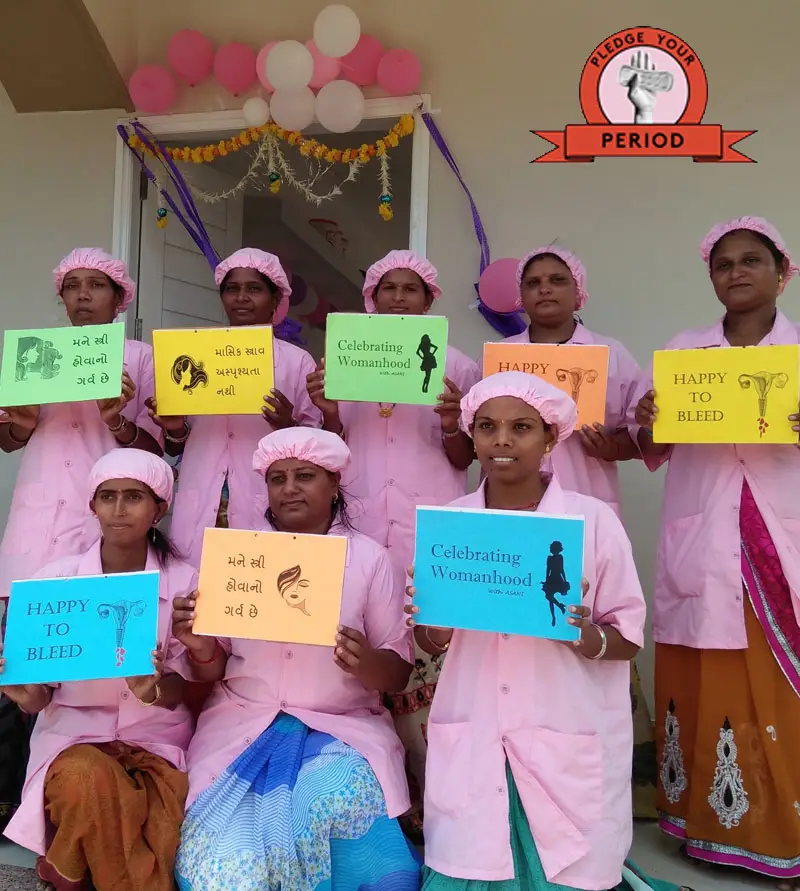
Pledge Your Period is an awareness campaign designed to strip away the shame around periods, helping to end the cycle of period stigma and poverty; With this campaign, which takes place across social media platforms, more than 37 million people have been reached with impactful information and stories from both bleeders and non-bleeders to normalize menstruation for everyone.
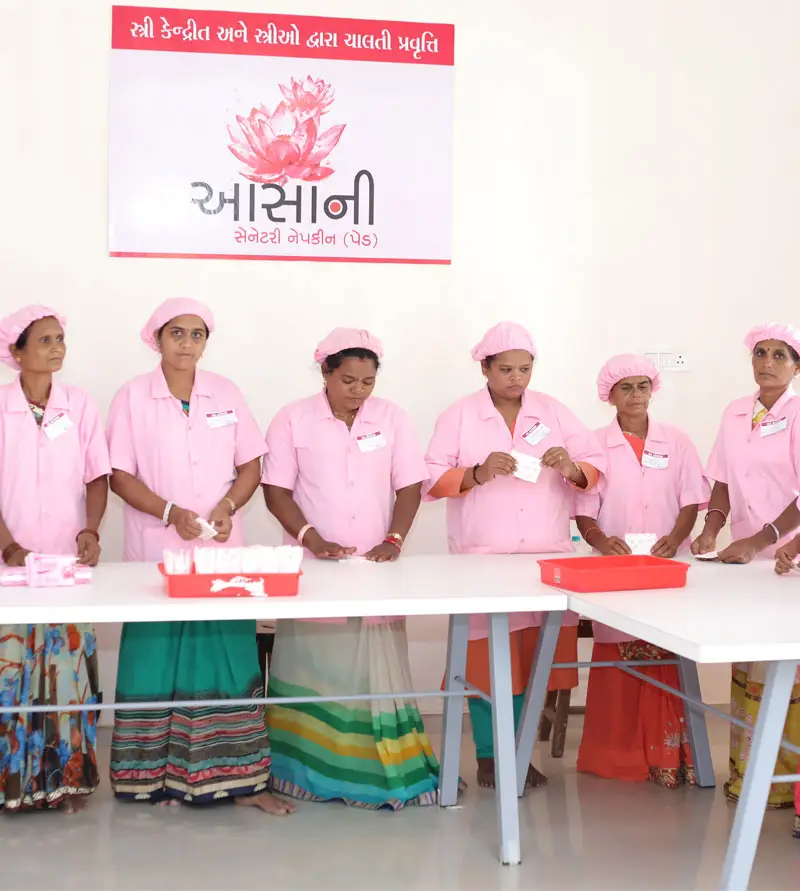
Perhaps the most notable program to date, the Asani Sanitary Napkin Program was brought to reality in 2017, giving women in rural India the opportunity to fulfill their menstrual product needs in an accessible way while also providing them training and work opportunities in the Asani facilities. In its first year, the Asani program produced 120,000 sanitary products. The Desai Foundation had already been working in Menstrual Equity since 2012, but launched this unique and transformative program, and the Asani Sanitary Napkin brand in 2017.
To better impact people on the ground in India, and to comply with the new regulations, the Desai Foundation Trust was born in 2016 with its headquarters in Navsari, Gujarat. Also notable in this year, Desai Foundation started its annual Lotus Festival, implemented mobile health vans in Gujarat, and launched Desai Foundation + IIT Gandhinagar partnership.
By 2014, Desai Foundation, which at the time was in one state and 250 villages, made the unusual decision to pivot from a family foundation to a public one in order to grow and expand its programs. We converted to a public programmatic non-profit so that we could collaborate, scale and grow. We also narrowed our focus to health, livelihood and menstrual equity.
In 2011, Desai Foundation made new commitments to its programs in India with a focus on education and health, while also expanding in Gujarat from Vapi to Gandhinagar. Desai Foundation also inaugurated Shantaben Vidyabhavan, a school that offered STEM classes for children, serving 20+ villages and over 40,000 people. Desai Foundation’s model to pilot concepts and programs were also designed; there was a record completion in 11 months of a functional, state of the art science high school.
By 2003, Desai Foundation entered Gujarat, India with a partnership with Hansa Community Development Center. Programs launched in rural India on health, education, and livelihood and over 9,000 people were impacted by them.
In 1997, Desai Foundation (then The Desai Family Foundation) was born to support health, livelihood and preserve Indian culture. It was designed to support programs both in the United States (specifically Massachusetts & New York), and India (specially Gujarat).The organizations Desai Foundation initially partnered with upon its birth include Columbia University, Lasalle University, Peabody Essex Museum, Middlesex Community College, and Lahey Hospital, among others. In its first year Desai Foundation impacted 1,000 people.
This comprehensive document highlights our programs in India, detailing our impact, strategic approach, and goals for the current year and beyond. We invite you to explore how our community-driven initiatives are creating sustainable change across rural India.
We invite you to review our financials in greater detail below.
At Desai Foundation, our commitment to creating meaningful, measurable impact drives the design and implementation of community-centered programs that improve lives across rural India.
Our programs focus on healthcare access, livelihood development, menstrual equity, and community engagement, ensuring that women and underserved communities have the resources, skills, and opportunities to thrive. Every initiative is rooted in dignity, inclusion, and sustainability, placing the people we serve at the center of long-term change.
Through collaboration with grassroots partners and the use of innovative, locally driven solutions, Desai Foundation delivers programs that create lasting social impact, extending well beyond individual projects and strengthening entire communities for generations to come.
Join us at the LOTUS FESTIVAL (October 10th | Boston)
Grab your tickets now to DIWALI ON THE HUDSON! (October 22nd | New York City)